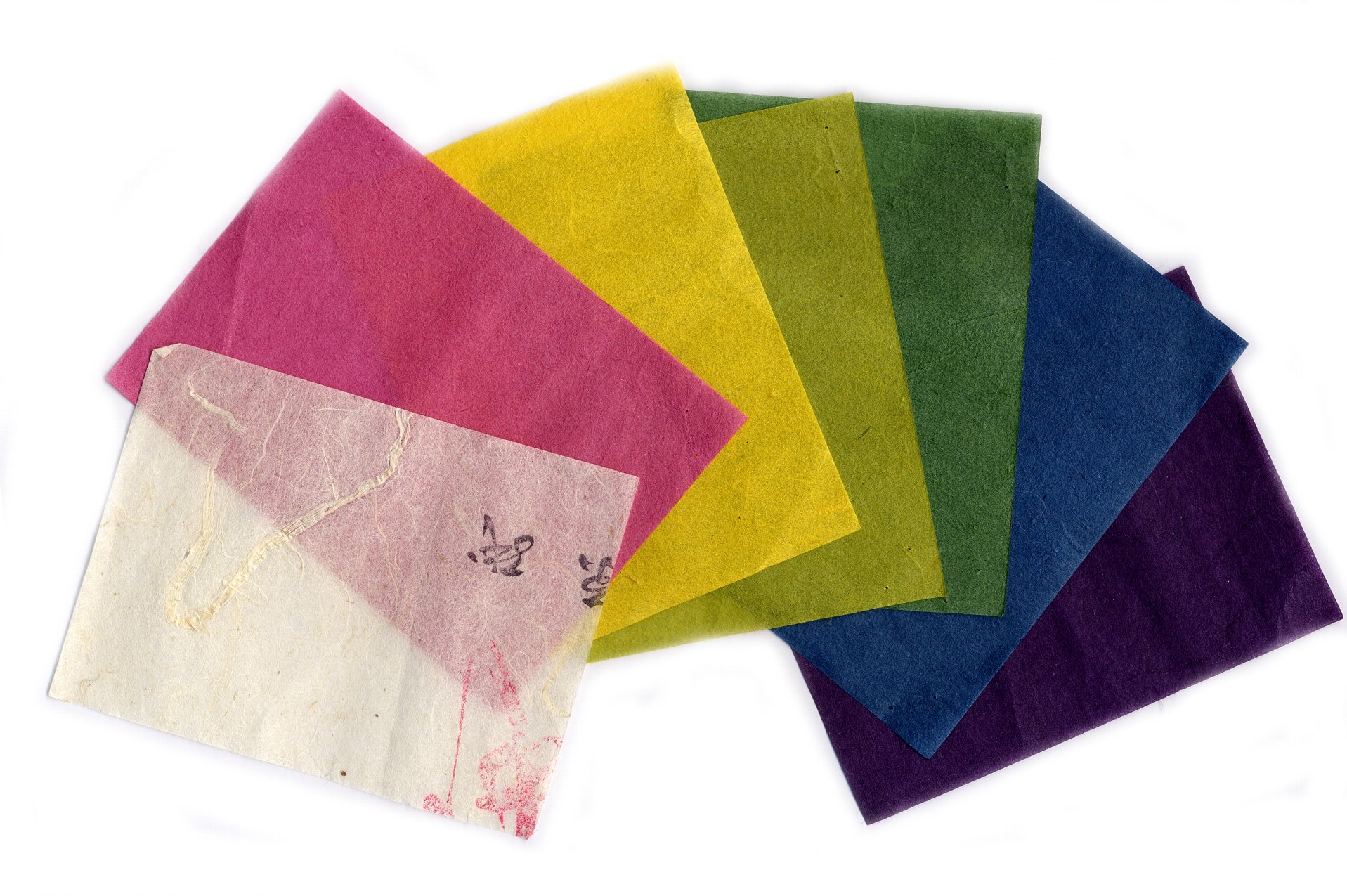
Paper Types
Kami, washi, foil-backed and printer stock compared by weight, grain and how they behave once a crease is set.
Read the paper guideStoneFieldLane collects the practical groundwork of paper-folding: which papers hold a crease, the handful of base folds every diagram relies on, and the classic models that teach those folds. Written in plain terms for folders working in Canada, where humidity and paper availability shape what sits well on the table.
Each section is a standalone article. They are ordered the way most folders learn: understand the paper, learn the base folds those papers were made for, then fold complete models that put the bases to work.
Kami, washi, foil-backed and printer stock compared by weight, grain and how they behave once a crease is set.
Read the paper guide
Valley and mountain creases, the four classic bases, and the reverse folds that nearly every diagram assumes you already know.
Read the folds guide
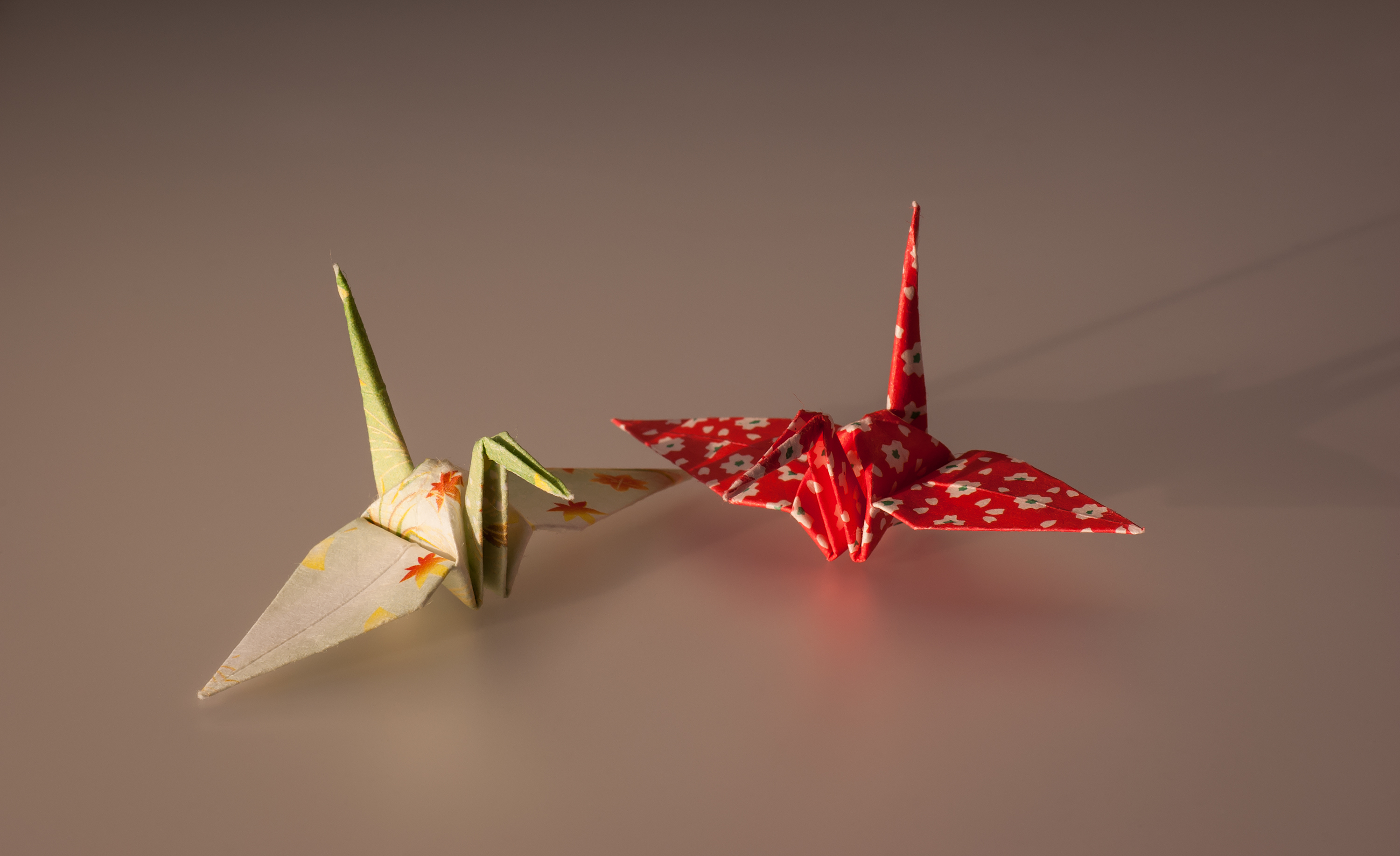
The crane, the lily and a stepped path toward complex single-sheet figures, with notes on what each one teaches.
Read the models guideMost printed and online diagrams move through a fixed set of stages. Naming them makes an unfamiliar diagram far easier to follow, because you can recognise which stage a step belongs to even when the drawing is small.
These stage labels are a reading aid used across this reference, not formal origami terminology.
Paper responds to moisture, and Canadian indoor air swings from humid summers to very dry, heated winters. Crisp single creases hold well in winter, while wet-folding — shaping damp paper into rounded forms — needs a little more water than the same model would in a milder climate.
Specialist folding papers can be harder to find outside large cities. Many folders in Canada rely on art-supply shops, Japanese stationery sections and mail order, and substitute good-quality printer or kami stock when a diagram calls for a paper that is not stocked locally.

If a diagram reference is unclear or a paper recommendation no longer matches what is available, send a note. This form runs entirely in your browser and does not transmit data anywhere.
General enquiries: hello@stonefieldlane.org